


Mechanical & Structural Issues
Mechanical and Structural Issues in the Body: Understanding, Causes, and Supportive Care
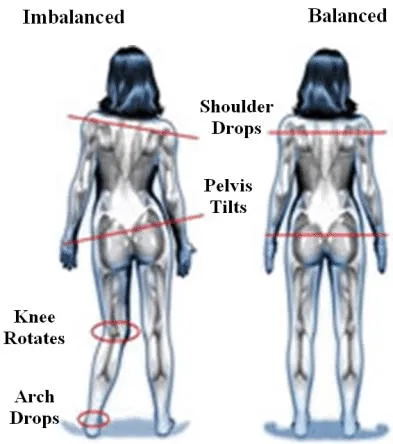
The human body is a marvel of intricate connections, balance, and movement, but when something disrupts the structural or mechanical integrity of our musculoskeletal system, it can lead to persistent pain and discomfort. Mechanical and structural issues in the body involve misalignments, imbalances, or faulty movement patterns within the bones, muscles, ligaments, and joints. These issues can affect the way we move, leading to pain and limited function.
What are Mechanical and Structural Issues?
Mechanical and structural issues refer to problems within the body’s physical structure or movement mechanics. Unlike injuries caused by trauma, these issues often arise from ongoing patterns of stress or wear and tear on the body’s structural components. They might result from a misalignment in the spine, imbalanced muscle groups, or joint restrictions, all of which can impact posture, movement, and overall physical health.
Common Causes of Mechanical and Structural Issues
Several factors can lead to these issues, many of which develop gradually over time. Some of the most common causes include:
Poor Posture
Slouching, hunching, or sitting for extended periods can place undue strain on the spine, muscles, and joints, leading to misalignment and muscle imbalances.Repetitive Strain
Repetitive activities—whether from work, sports, or hobbies—can lead to muscle fatigue, imbalances, and joint strain. Repeatedly using one part of the body over others often creates weakness or overuse issues.Muscle Imbalances
Weakness in one set of muscles (e.g., core muscles) combined with tightness in others (e.g., hip flexors) can disrupt natural movement patterns, leading to poor alignment and increased pressure on joints.Age-Related Changes
As we age, our bones, muscles, and joints naturally undergo changes. Conditions like osteoarthritis, loss of bone density, and general wear and tear can lead to structural issues, affecting mobility and causing discomfort.Previous Injuries
Injuries can alter the body’s mechanics. For instance, an old ankle sprain may lead to compensatory movement patterns, causing strain in other areas such as the knee or hip.Footwear
Shoes with insufficient support or improper fitting can contribute to misalignment issues in the feet, knees, hips, and lower back.Genetics and Congenital Factors
Some people are born with structural differences or genetic predispositions that may affect body alignment, such as scoliosis (curvature of the spine) or leg length discrepancies.
Common Types of Mechanical and Structural Issues
Mechanical and structural issues can manifest in various ways and can affect different parts of the body:
Spinal Misalignments
Misalignments in the spine, such as scoliosis, lordosis, or kyphosis, can lead to discomfort and restricted movement, impacting posture and daily activities.Joint Restrictions and Stiffness
When joints don’t move through their full range, it can lead to stiffness and discomfort. Common areas include the shoulders, hips, knees, and ankles.Pelvic Misalignment
Imbalances in the pelvis, often caused by muscle weakness or tightness, can affect lower back and hip stability, leading to discomfort and reduced mobility.Lower Limb Misalignment
Issues like overpronation (rolling in) or supination (rolling out) of the foot can lead to a chain reaction affecting the knees, hips, and lower back.Thoracic (Upper Back) Tightness
Tightness in the upper back, often from poor posture or lack of movement, can lead to limited shoulder mobility and neck discomfort.
Symptoms of Mechanical and Structural Issues
The symptoms can vary widely depending on the affected area and the severity of the misalignment or mechanical issue. Some of the most common symptoms include:
Chronic Pain
Persistent pain in the neck, back, hips, knees, or other joints.
Stiffness and Limited Range of Motion
Difficulty moving certain joints or parts of the body, especially after periods of inactivity.
Muscle Tightness or Weakness
Imbalances in strength and flexibility, often causing one side of the body to compensate for the other.
Joint Instability
A sensation of weakness or giving way in the affected joint, especially with movement.
Nerve Pain or Tingling
Misalignment can sometimes impinge nerves, leading to tingling or radiating pain, especially in the lower back and neck.
Postural Changes
Noticeable changes in posture, such as rounded shoulders, forward head posture, or an uneven gait.
How Physiotherapy Can Help
Physiotherapy is highly effective in addressing mechanical and structural issues. Here’s how our approach at Physio Barnsley can help restore alignment, balance, and ease of movement:
Comprehensive Assessment and Diagnosis
Our physiotherapists perform a thorough assessment to identify misalignments, muscle imbalances, and joint restrictions. Understanding the root cause allows us to create a personalised plan to address these structural issues.Manual Therapy
Hands-on techniques, such as joint mobilisation and soft tissue manipulation, can release restrictions and restore mobility in affected areas, providing immediate relief.Strengthening and Flexibility Exercises
Targeted exercises help build strength in weak areas and increase flexibility in tight muscles, restoring balance and reducing compensatory strain on the body.Postural Training and Ergonomic Advice
Correct posture plays a significant role in maintaining structural health. We work with you to develop healthy posture habits and provide advice on proper ergonomic setup for work or home, to prevent further strain.Movement Re-education
Teaching proper movement patterns is essential for long-term relief and injury prevention. Our physiotherapists focus on restoring natural body mechanics, ensuring that muscles and joints work together harmoniously.Core Stability Training
A strong core is essential for good posture and alignment. We include core stability exercises in treatment plans to provide foundational support to the spine and pelvis.
Lifestyle Tips for Preventing Mechanical and Structural Issues
Stay Active
Regular physical activity, including stretching and strengthening exercises, helps maintain muscle balance and joint mobility.
Be Mindful of Posture
Pay attention to your posture throughout the day, especially when sitting or using electronic devices.
Wear Supportive Footwear
Choose shoes with adequate support for your activities, as this impacts alignment all the way up the body.
Take Frequent Breaks
If your work involves prolonged sitting or repetitive tasks, take regular breaks to stretch and move.
Warm-Up and Cool Down
Before and after physical activities, warm-up exercises and stretching can help prevent strain and promote flexibility.
At Physio Barnsley, we’re dedicated to providing relief and restoring mobility for individuals dealing with mechanical and structural issues. Through our holistic approach, we help our clients achieve improved alignment, better movement patterns, and an overall enhancement in quality of life. If you’re experiencing discomfort related to mechanical or structural imbalances, contact us to learn how physiotherapy can make a positive difference
Your Health Journey Begins Here – All Ages & Conditions Welcome!
Physio Barnsley was founded in 2004 by Peter Hartley. Together the clinical team provide revolutionary treatments unlike any other physiotherapy clinic in the UK.
Our Services
Connect With Us
50 Cannon Way
Claycliffe Business Park
Barugh Green
Barnsley
S75 1JU


© Physio Barnsley. 2026. All Rights Reserved.